



Evaluating Impact: Programmatic Evidence from the Seasonal Malaria Chemoprevention End-of-Round Survey
Introduction
How do we know if lifesaving malaria prevention programs are truly reaching the children who need them most?
Malaria remains a major public health challenge worldwide, with Nigeria carrying one of the heaviest burdens, particularly among children under five. To address this challenge during peak transmission periods, Seasonal Malaria Chemoprevention (SMC) has been introduced as a targeted and effective preventive strategy recommended by the World Health Organisation in 2012 and adopted by Nigeria in 2014 through the Federal Ministry of Health and Social Welfare.
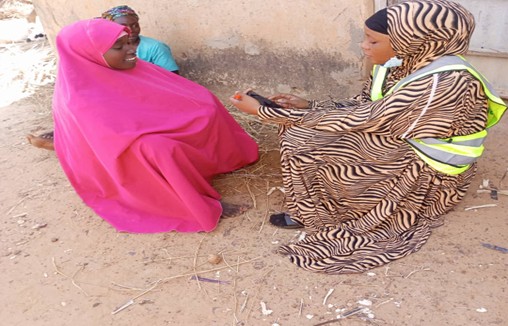
SMC is a pre-emptive malaria preventive measure that involves administering monthly doses of Sulfadoxine-Pyrimethamine (SP) and Amodiaquine (AQ), known as SPAQ, during the rainy season through door-to-door campaigns over four to five consecutive months. This period aligns with the peak of malaria transmission and helps maintain protective antimalarial drug levels in the bloodstream.
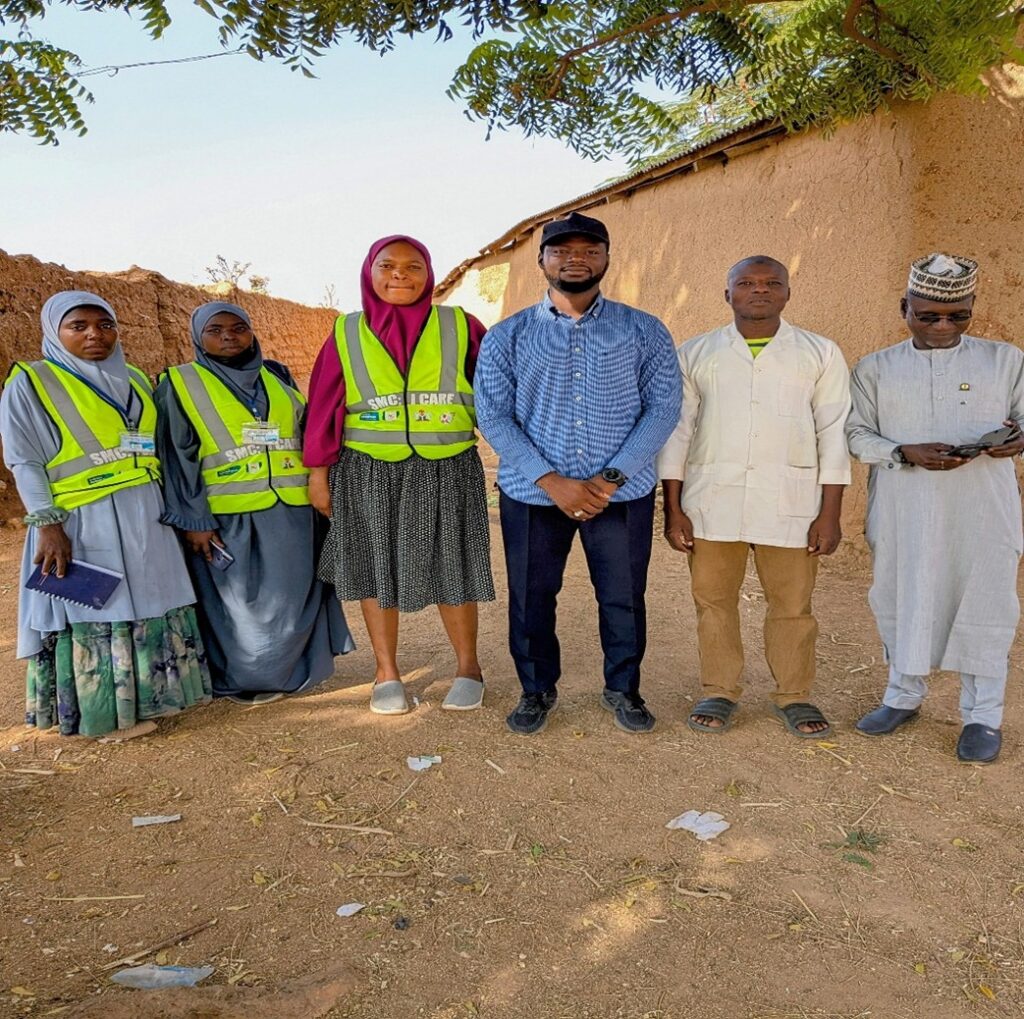
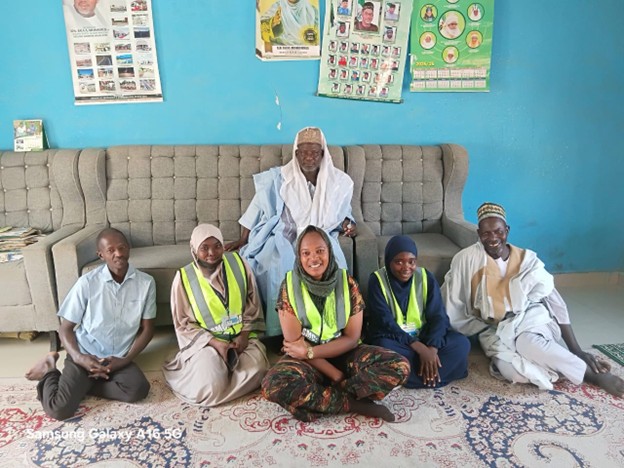
To assess the quality and effectiveness of the SMC implementation, Sydani Consulting, in collaboration with Malaria Consortium, has conducted an End-of-Round survey to rigorously evaluate key aspects of the 2025 SMC implementation. The survey was conducted in line with the national SMC protocol, as provided by the National Malaria Elimination Program, to assess the effectiveness and implementation quality of SMC across nine supported states (Bauchi, Borno, FCT, Kebbi, Kogi, Nasarawa, Oyo, Plateau, and Sokoto).
The survey was conducted across nine states to assess SMC delivery. Using modified cluster sampling, we selected 75 communities and 1,500 households in each state. We then interviewed caregivers from those households with children aged 3–59 months. The primary objective of the survey focused on assessing how SPAQ was administered, how closely community drug distributors followed protocol, and how well caregivers adhered to day two and day three doses. It also examined whether completing all SMC cycles provided added protection against fever compared with partial completion. Informed consent was obtained from all participants.
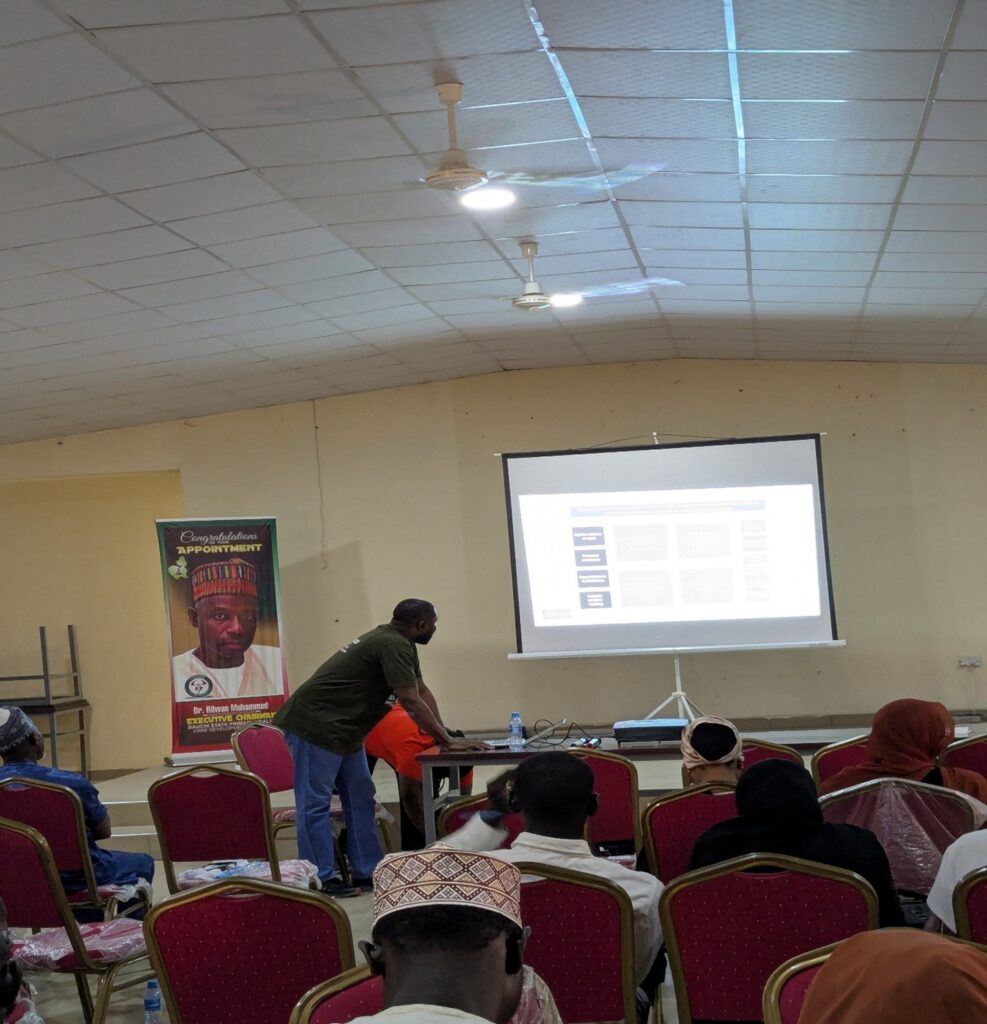
We kicked things off with a technical briefing on September 10, 2025, backed by an approved Data Analysis Plan that focused on cutting errors. To make things smoother and reduce recall bias, we rolled out data collection in phases, starting with states that finished their SMC cycles earliest. To keep everyone on the same page, we held a National Training of Trainers workshop in October 2025. It covered the project’s goals, SMC strategies, everyone’s roles, and how to collect data effectively.



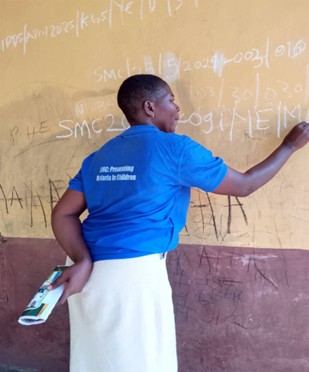
To move beyond process and understand what this implementation achieved in practice, the survey findings provide important insights into how well the programme is reaching children, how consistently it is delivered, and where gaps remain.
Overall, the results point to a programme that is working at scale. Nearly all households (94.6%) reported being visited by a Community Drug Distributor (CDD), and 97.4% of eligible children received at least one cycle of SPAQ. This reinforces the strength of the door-to-door delivery model, which continues to ensure access at scale. In several northern states, coverage exceeded 98%, demonstrating that even in complex settings, high performance is achievable with strong coordination and community engagement.
However, the data reveals a more nuanced picture. While initial reach is high, sustaining participation across cycles is more difficult. Although 93.1% of children received at least 3 cycles, completion of the full course dropped to 83.5%. This decline shows that the challenge is shifting from access to continuity. Reaching caregivers once is possible, but maintaining engagement over several months requires delivery systems that adapt to their daily realities.
These realities vary significantly across contexts. In more urban settings such as the Federal Capital Territory, only 82.5% of households were reached, compared with over 98% in some northern states. This gap points to factors such as greater mobility and weaker community structures, which can reduce the effectiveness of standard delivery approaches in urban areas. In contrast, rural settings often benefit from stronger community networks but may face their own challenges, including caregiver availability due to livelihood demands.
Encouragingly, when the program reaches kids, it’s delivered mostly as planned. A whopping 95.3% of caregivers said the first SPAQ dose was given under direct observation, a key step for effectiveness. This highlights solid adherence by community distributors, though state variations mean quality consistency is still a work in progress.
The survey also sheds light on how caregivers experience and understand the programme. Awareness of SMC is driven largely through community-based channels, with town announcers, local leaders, and distributors playing a central role. At the same time, 82.6% of caregivers reported knowing what to do in the event of an adverse reaction, reflecting generally strong health education efforts. Still, differences across states indicate that the quality and consistency of these interactions can be improved.
Another important insight is how the programme is delivered beyond the household. While home visits remain the primary channel, 17.4% of children received SPAQ through alternative sources such as health facilities or community distribution points. This flexibility can help reach more children, but it also requires careful oversight to ensure that delivery standards are maintained.
At the same time, some findings point to areas where programme fidelity can be strengthened. Notably, 22.9% of children aged 5-10 years who fall outside the target group were reported to have received SPAQ. This raises important questions about age verification, caregiver demand, and adherence to guidelines, and highlights the need for stronger screening and supervision mechanisms.
When integrated, the findings present a programme that is delivering real value, reaching a high proportion of eligible children and maintaining strong adherence when implemented well. However, as SMC continues to scale across diverse contexts, the focus must shift toward refinement. This includes adapting delivery strategies for urban settings, strengthening approaches to sustain participation across all cycles, improving the consistency of caregiver engagement, and reinforcing accountability at the point of service delivery.
Ultimately, the success of SMC is not defined only by how many children are reached, but by how consistently and equitably they are protected over time. Evidence from this End-of-Round survey shows that while the foundation is strong, there is still room to improve how the programme performs across different contexts. By grounding programme decisions in data such as this, stakeholders can continue to strengthen implementation and ensure that every eligible child receives the full benefit of this lifesaving intervention.